
Separation changes everything.
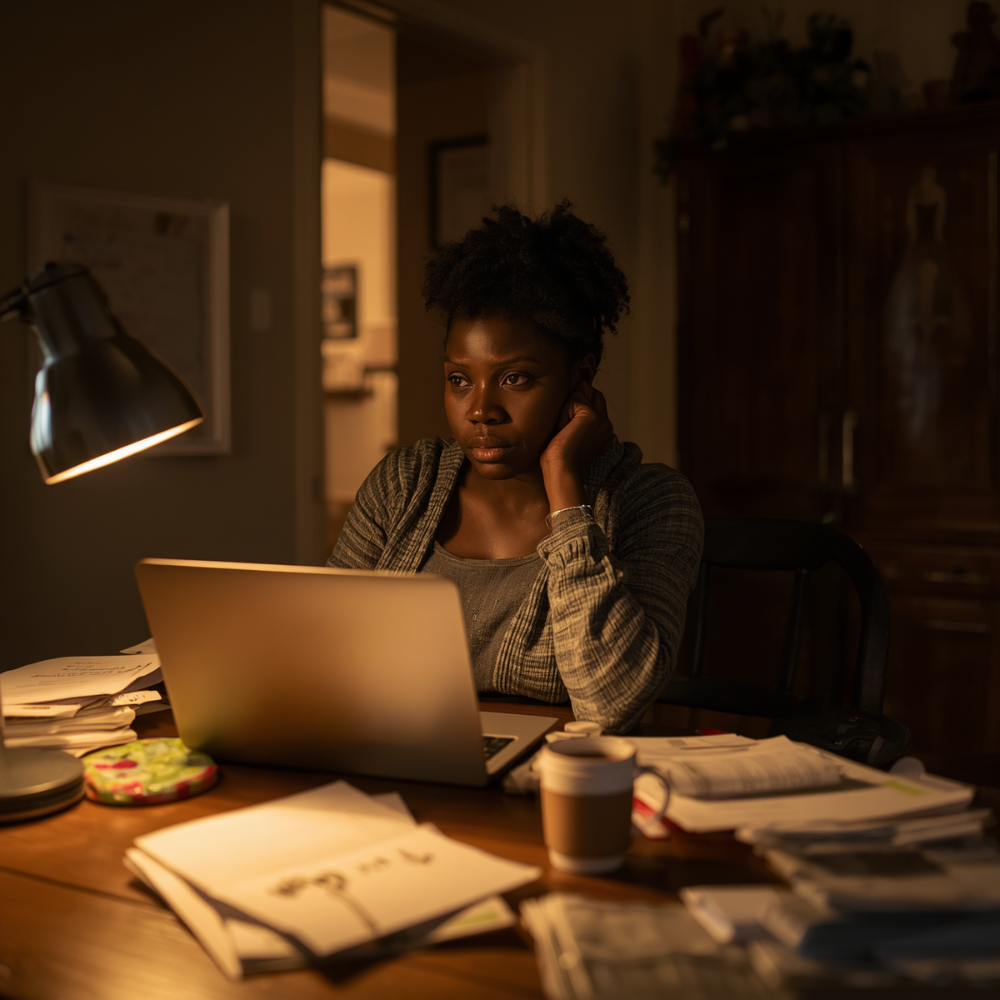
Not overnight, and not always in obvious ways. Often, it shows up quietly in the middle of ordinary life. In the hesitation before answering your child’s question. In the silence after the school run. In the strange feeling of sitting in a house that suddenly feels unfamiliar, even though all your things are still there.
When a relationship ends, parenting changes too.
You carry on making dinners, sorting uniforms, replying to emails and remembering PE days, while internally trying to make sense of a life you never expected to be living.
It can leave you feeling emotionally stretched in ways that are difficult to explain to people who haven’t lived it themselves.
One minute you are trying to stay strong for your children, and the next you are sitting in the car crying because you forgot to buy their favourite cereal.
That is the reality for so many separated parents.
And despite how hard it feels, separation does not mean you have failed your children.
In many ways, it changes you into a more aware, emotionally connected and intentional parent than you were before.
The emotional impact of separation on parents
One of the hardest parts of separation is that you rarely get the space to process your own emotions before having to support everyone else’s.
You are grieving a relationship while still packing lunches, answering questions, attending school events and trying to keep life feeling stable for your children.
It’s exhausting.
And because separation often comes with guilt, fear or self-doubt, many parents start questioning every decision they make.
Am I doing enough? Are the children okay? Have I ruined their future? Will they blame me one day?
These thoughts are incredibly common.
But children do not need perfect parents. They need emotionally safe ones.
Parents who repair after difficult moments. Parents who listen. Parents who model honesty, boundaries, emotional awareness and resilience.
And often, separation becomes the beginning of that deeper emotional growth.
Separation can make you more present
Many separated parents talk about becoming more present after separation.
When you are no longer with your children every day, time feels different.
You notice things more: the conversations at bedtime, the way they reach for your hand without thinking, the little stories they tell you in the car.
You become more aware of how quickly childhood moves.
There is often less autopilot and more intention.
Not because separation is positive, but because loss has a way of reminding us what matters most.
And somewhere in the middle of the sadness and adjustment, many parents find themselves connecting more deeply with their children than they did before.
You may start parenting more authentically
In relationships, especially difficult or emotionally draining ones, many people lose touch with themselves.
You adapt. You compromise. You keep the peace. And, in turn, you shrink parts of yourself without even noticing.
After separation, there is often a gradual rediscovery of your own voice.
That can influence your parenting in powerful ways.
You may become clearer on your values. More confident in your boundaries. Less reactive.
More intentional about the kind of emotional environment you want your children to grow up in.
For some parents, separation becomes the first time they truly parent from a place of authenticity rather than survival.
The guilt of not seeing your children every day
This is one of the deepest wounds for separated parents: missing milestones, not being there for every bedtime, feeling like part of your children’s lives is happening without you.
It hurts.
There’s no point pretending otherwise.
But love is not measured purely in quantity of time.
Children feel love through emotional connection, consistency, safety and presence.
A parent who is emotionally attuned for two meaningful days a week can still have an incredibly strong and secure relationship with their child.
And children are remarkably adaptable when they feel loved by both parents.
What matters most is not whether family life looks exactly as you imagined.
What matters is whether your children feel emotionally secure within it.
Separation often forces emotional growth
Many people enter separation believing they just need to “get through it.”
But somewhere along the way, something deeper happens.
You start learning about yourself: what are your triggers, your patterns, your fears, your coping mechanisms?
You begin recognising the ways stress affects your parenting.
You learn how important emotional regulation is.
You start understanding that healing yourself is not separate from helping your children heal.
And although this growth is often born from pain, it can become transformational.
Children benefit enormously from parents who are willing to reflect, grow and take responsibility for their emotional wellbeing.
Co-parenting after separation can be challenging
Even when separation is the right decision, co-parenting is rarely straightforward.
There may be conflict, resentment, communication difficulties or very different parenting styles.
And that can leave parents feeling constantly emotionally stretched.
One of the biggest shifts after separation is learning that you cannot control the other parent.
You can only control the environment you create in your own home.
That means focusing less on perfection and more on emotional stability.
Children do not need two identical homes.
They need at least one home where they feel safe, heard and emotionally settled.
One calm, connected parent can make an enormous difference to a child’s wellbeing.
Separation can strengthen your relationship with your children
At first, it can feel impossible to imagine anything good coming from separation.
Most parents are simply trying to get through the day.
But over time, many realise their relationship with their children has become deeper in unexpected ways.
There is often more honesty.
More emotional openness.
More meaningful connection.
Not because separation is easy, but because difficult experiences tend to bring people closer emotionally when they feel safe enough to talk about them.
Children learn resilience not from lives without difficulty, but from experiencing support through difficult moments.
When children see a parent navigating change with honesty, compassion and emotional responsibility, they learn valuable emotional skills themselves.
They learn that life can change and still be okay.
They learn that emotions are manageable.
They learn that healing is possible.
You are still a good parent
If separation has left you feeling broken, overwhelmed or uncertain, please hear this clearly:
You are still a good parent!
Even on the days you feel exhausted.
Even when co-parenting feels difficult.
Even when guilt creeps in.
Even when life looks very different to the future you once imagined.
Children do not need parents who never struggle.
They need parents who keep showing up.
Who apologise when needed.
Who love consistently.
Who create emotional safety.
Who continue growing.
Separation changes you as a parent.
But not always in the ways you fear.
It can make you more patient.
More emotionally aware.
More understanding of what your children need from you beyond routines and practical care.
Many parents find themselves parenting with greater empathy and presence than they ever did before.
And slowly, over time, you may begin to realise that although separation changed your family story, it did not destroy your ability to be a loving, safe and deeply important parent.
Final thoughts on parenting after separation
If you are navigating separation right now, be gentle with yourself.
This season of life can feel lonely and emotionally intense, but it will not always feel this heavy.
You are adjusting. Your children are adjusting.
And healing rarely happens in a straight line.
What matters most is not creating a perfect post-separation family.
What matters is creating a connected one.
A family where emotions can be talked about.
Where love remains steady.
Where children know they are safe and cherished.
And where you, as a parent, are allowed to grow too.




Leave a Reply